
First Impressions
Hammer is trying to something a little different with the NU 2.0 and while I they clearly did, I think this ball is still left in the pretty condition specific category.
Jason Boyer (Lefty)
Style: Power Player
RPM: 470 rpm
PAP: 4 5/8 & 0
Average Speed: 19.5 mph (at release)
Axis tilt: medium
Axis rotation: medium
Test Equipment: 14 Pounds
Layout: 40 x 4 x 0
“Keep in mind that coverstock accounts for 70% of ball reaction, but the core creates the dynamic shape of the reaction. Your driller will alter the shape to suit your game.”
Pattern
THS: 44ft, 25.8ml, 12:1 ratio
Sport: TBD
Specs
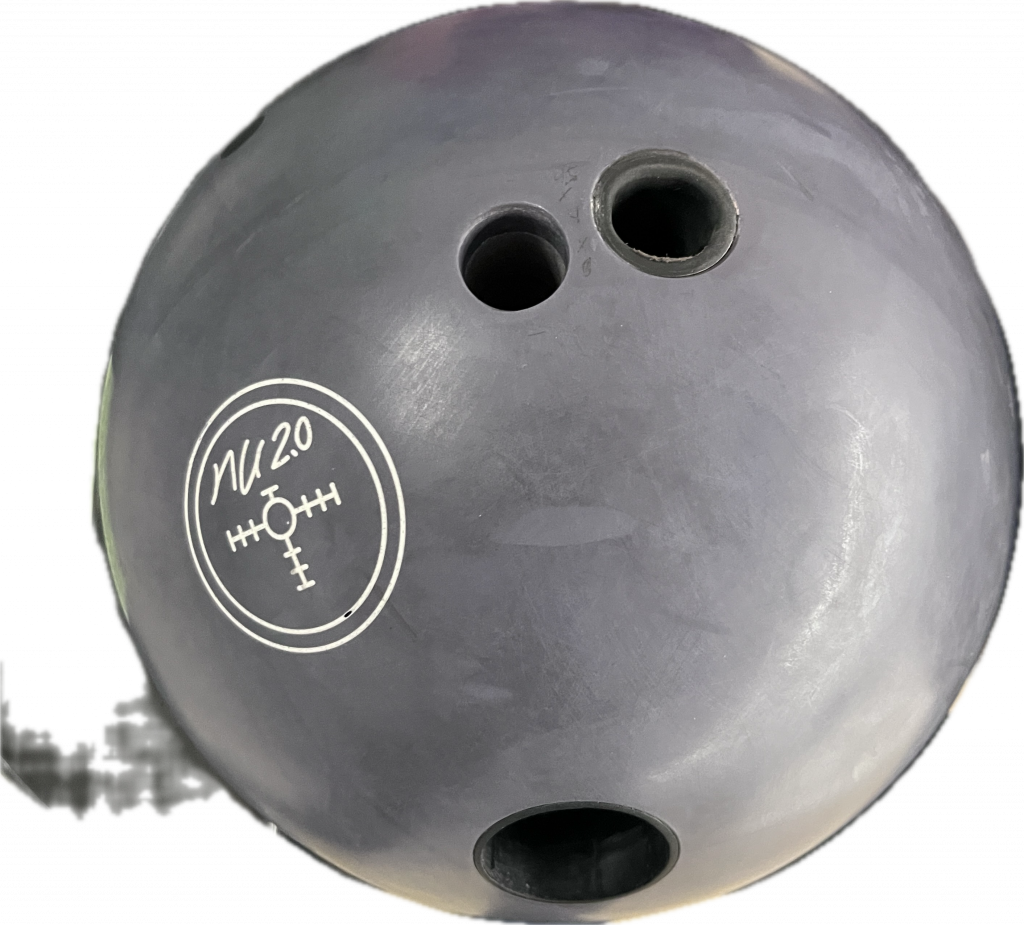
The Hammer NU 2.0 uses the Stealth symmetric core inside the new NU Active Not Urethane coverstock.
15 pound = RG of 2.59 diff of .027
14 pound = RG of 2.60, diff of .026
Coverstock finish: 2000 Siaair Micro Pad
Power Player’s Persective
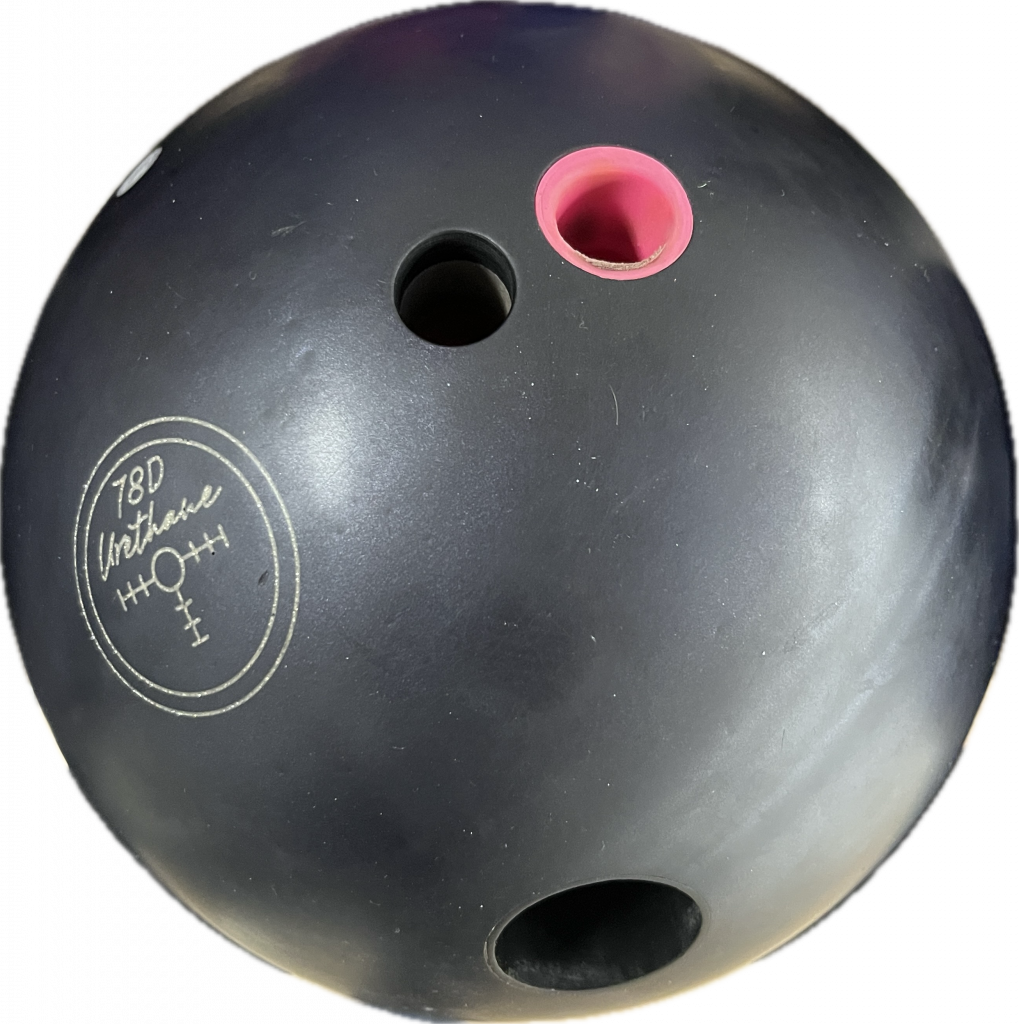
Hammer introduced the Not Urethane a couple of years ago to the frenzy of noise that clearly the powers that be were going to move towards 78U hardness for urethane type balls. The initial look for that ball was a little cleaner than urethane and a little less punch than traditional reactive and while it accomplished that and seemed like it could be pretty nice, ultimately the biggest issue it had was how unbelievably quickly the cover lane shined. Literally half a game worth of throws and it basically lengthened it’s own reaction and still maintainted the softer reaction. I think Hammer looked to fix this and create a bit more dynamic ball with the 2.0 and I believe they have succeeded with both to some extent. The 2.0 is more aggressive in the mids so gets itself a little closer to urethane there but also is a step up downlane. It’s a tweener, if you didn’t want the urethane reaction or can’t use it but also don’t quite want the modern reactive shape. It comes off almost as an old school weak reactive with surface. Early on it looked almost too much and then deeper into the testing it looked to little. Rather than looking like an early rolling urethane, it looked more like a ball that lots its axis and just got forward and weaker. Just to show you that it doesn’t really roll like urethane, here’s Jason throwing his 78D black urethane with the exact same layout. You can immediately see the traditional urethane thing. Very early and a long roll phase. Too high, flat corner, perfect. Typical urethane reaction. All this said, at the end, I feel like there may be a place for when you want a kind of amped up urethane type shape but it’s got a little too much length to look like urethane. It does feel like it’ll be one of those specialty balls that will be condition or bowler specific.
Thanks for watching.